Analyzing Verified Transaction Flows Across Sweden's Licensed Digital Entertainment Venues
Skriven av Mia Koch · 2026-09-28
Analyzing Verified Transaction Flows Across Sweden's Licensed Digital Entertainment Venues
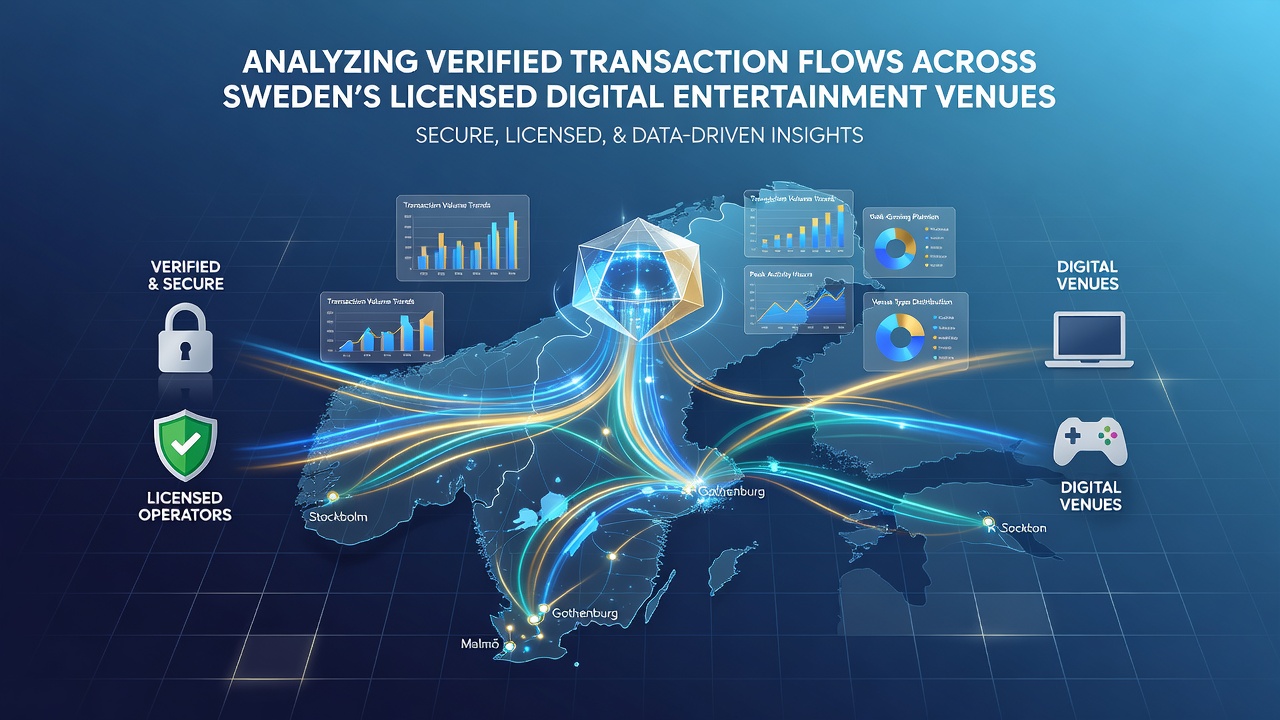
Sweden maintains a tightly controlled market for licensed digital entertainment venues where every transaction passes through multiple verification layers before funds move between players and operators, and this system relies on real-time checks that connect payment providers directly to regulatory databases maintained by Spelinspektionen.
Regulatory Framework Governing Transaction Verification
Operators licensed by Spelinspektionen must integrate payment gateways that confirm player identity and source of funds at the point of deposit, while withdrawal requests trigger additional automated reviews that cross-reference account activity against established risk profiles, and these requirements stem from national legislation updated in 2019 that continues to shape daily operations across the sector.
Data from official channels shows that licensed venues processed billions of kronor in verified transactions during recent periods, with each flow recorded in immutable logs that regulators can audit on demand, and the process incorporates both automated algorithms and manual oversight when patterns deviate from expected norms.
Mechanics of Verified Payment Channels
Payment service providers authorized to operate in Sweden connect their systems to operator platforms through secure APIs that validate each transfer in seconds, and this setup prevents unverified deposits from entering gaming accounts while allowing instant confirmation once identity documents and bank details align with registered player profiles.
Researchers examining these flows note that the majority of transactions now route through trusted methods such as direct bank transfers and digital wallets that carry built-in verification features, whereas credit card usage remains limited due to additional scrutiny layers required for those instruments.
Data Patterns Emerging in September 2026
Analysis conducted around September 2026 revealed steady growth in the volume of verified transactions across licensed venues, driven largely by increased mobile participation and seasonal promotions that encourage smaller, more frequent deposits, and figures released at that time indicated a measurable uptick in average transaction sizes during evening hours when player activity peaks.
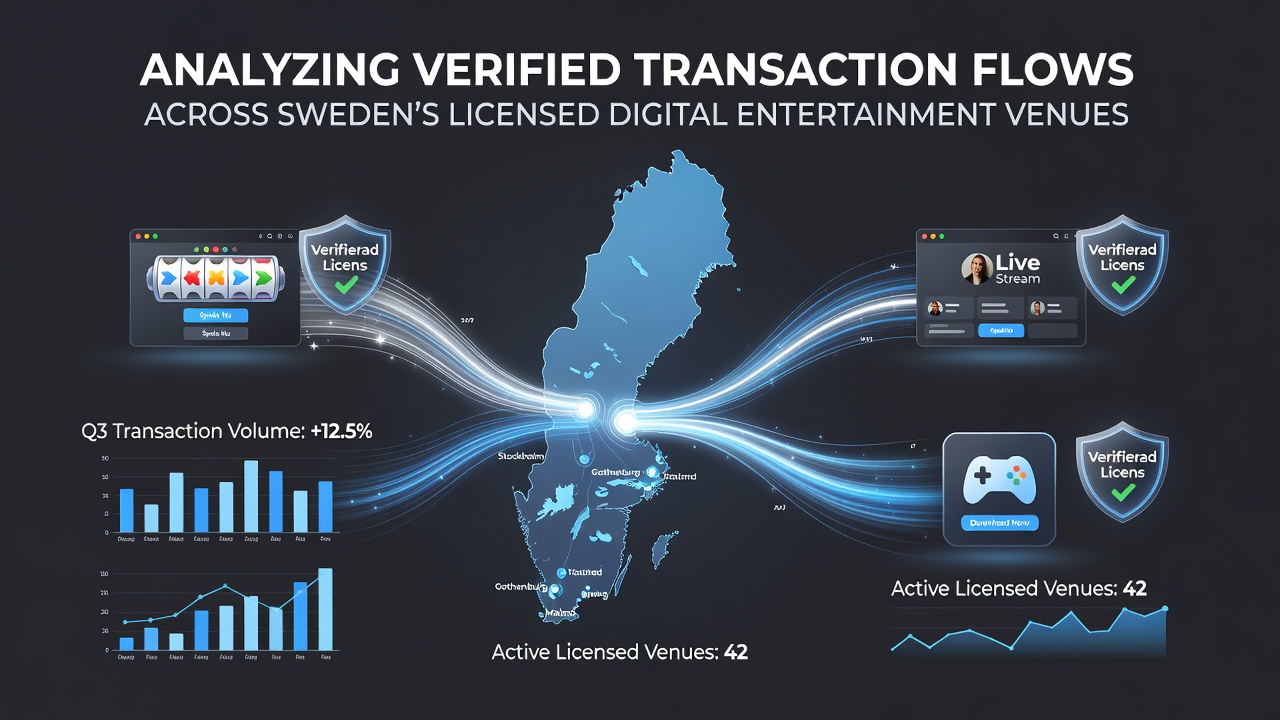
Those examining the September 2026 datasets also observed tighter clustering of withdrawal requests around verified salary deposit dates, suggesting players coordinate their gaming activity wth personal cash flow cycles, while operators reported fewer declined transactions overall because verification systems had matured since earlier implementation phases.
Security Measures and Compliance Checks
Every licensed venue employs multi-factor authentication combined with behavioral analytics that flag unusual transaction sequences for further review, and this layered approach satisfies both national rules and broader European standards on financial transparency without disrupting the player experience for the vast majority of users.
Industry reports compiled by organizations such as the Swedish Gambling Authority document how these controls reduced instances of mismatched payment data year over year, and similar patterns appear in analyses from other regulated markets including those tracked by Canadian provincial gaming commissions.
Comparative Insights from International Sources
Observers comparing Sweden's system with practices elsewhere point to academic studies conducted at institutions like the University of Sydney's gambling research unit, which highlight how real-time verification reduces latency between deposit and play, and Swedish operators have adopted comparable techniques that keep average processing times under ten seconds for standard transactions.
Yet the Swedish model adds an extra step where each operator must reconcile daily transaction totals against a central registry before submitting monthly compliance summaries, creating an additional safeguard that some international frameworks have not yet implemented at the same scale.
Future Developments in Transaction Tracking
Technology providers working with licensed venues continue to test blockchain-based logging tools that could provide regulators with tamper-proof records of every verified flow, and pilot programs scheduled for late 2026 aim to measure whether these additions deliver measurable improvements in audit efficiency.
Stakeholders across the sector expect that continued refinement of these tools will maintain Sweden's position among markets with the highest rates of transaction transparency, supported by ongoing collaboration between operators, banks, and oversight bodies.
Conclusion
Verified transaction flows across Sweden's licensed digital entertainment venues form a structured network of checks and balances that prioritize security and regulatory compliance while supporting smooth player interactions, and ongoing data collection through 2026 demonstrates consistent performance across deposit and withdrawal channels.
Further integration of advanced analytics promises to strengthen these processes without introducing unnecessary friction, ensuring the system remains responsive to both technological shifts and player behavior patterns observed in official records.